
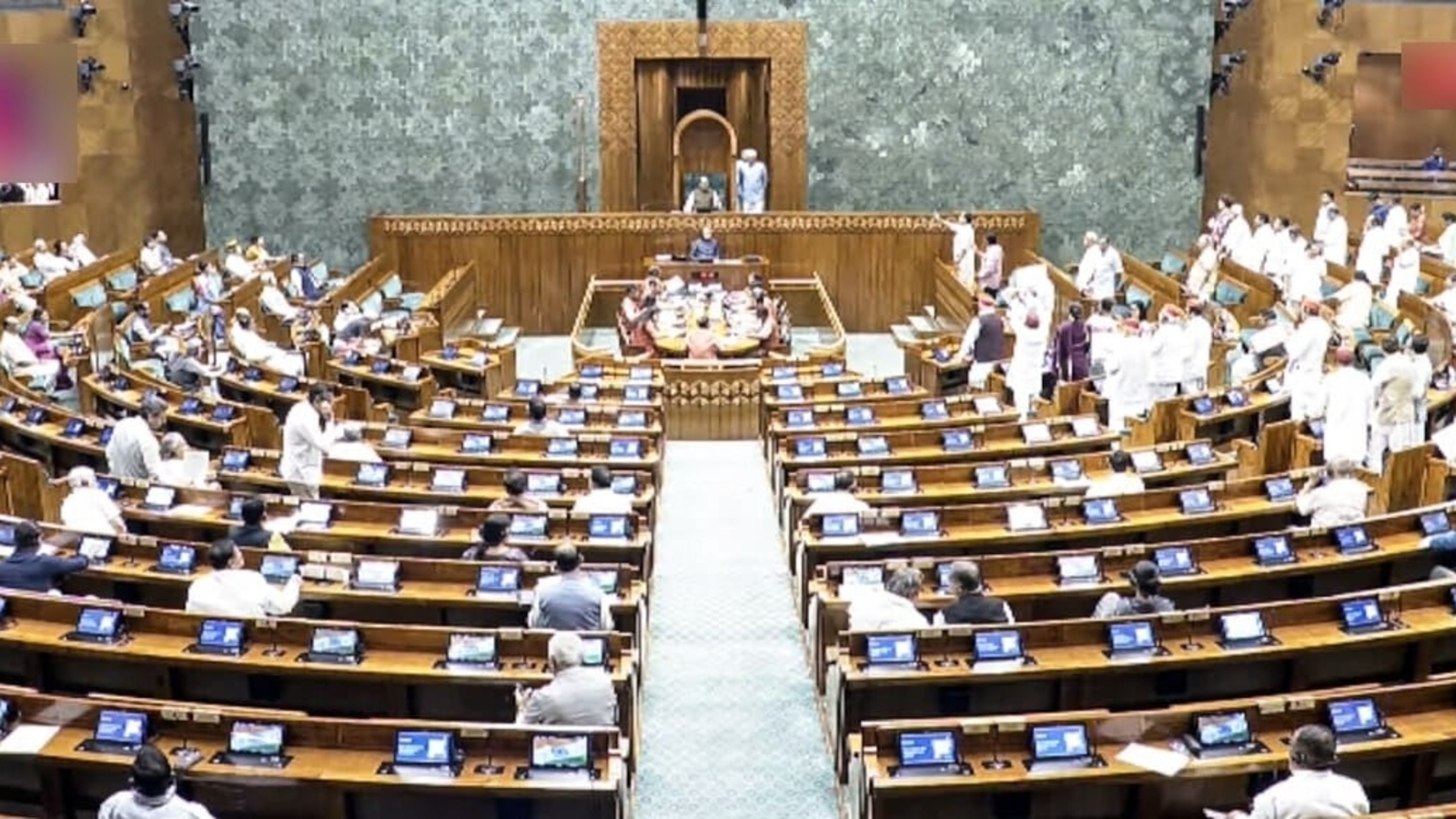
 Photo via Hindustan Times
Centre revises delimitation bills with uniform 50% seat rise for every state
In brief
India's government has revised its plan to redraw parliamentary seats and expand the Lok Sabha. The new bills guarantee every state and Union territory a 50% rise over its current seats, after an earlier bill failed in Parliament in April. The aim is to reserve one-third of seats for women before the 2029 general elections.
The revised bills would change the Lok Sabha and state assembly sizes, add one-third reservation for women, and set up a commission to redraw constituencies, with the 2029 elections as the target.
What we know 7
The Centre has revised its delimitation proposal, replacing the earlier bills with new legislation.
The earlier Constitution (131st Amendment) Bill failed in the Lok Sabha on 17 April, with 298 votes for and 230 against, short of the 352 needed.
The new Constitution (132nd Amendment) Bill and Delimitation (Second) Bill guarantee a uniform 50% increase in seats for every state and Union territory.
The revised framework keeps the goal of one-third reservation for women before the 2029 general elections, with reservation tied to the first delimitation after the amendment takes effect.
The maximum Lok Sabha strength would be 815 members from states and 35 from Union territories, and the maximum for state assemblies would be 650.
A three-member delimitation commission would be led by a serving or retired Supreme Court judge, with 10 legislators per state attached as non-voting associate members.
The freeze on the allocation and readjustment of seats would be extended until 2051.
Where they differ 2
The Times of India report was available only as a headline and summary, so its details could not be checked against Hindustan Times and no further differences can be drawn.
The earlier plan left seat allocation open to population-based redistribution, while the revised bills fix a uniform 50% increase, a change the government presents as addressing concerns from southern states.
How each outlet told it 2
Uniform 50% seat increase
Presents the revised bills as a legal and political rethink that addresses southern states' concerns about population-based redistribution, and examines what the changes mean for Parliament's balance.
How we got here
The NDA government came to power at the national level.
The 106th Constitution Amendment Act provided for one-third reservation for women in Parliament and state assemblies, linked to a later delimitation exercise.
The Constitution (131st Amendment) Bill was defeated in the Lok Sabha, the first government constitutional amendment defeat since 2014.
The Centre introduced the revised Constitution (132nd Amendment) Bill and Delimitation (Second) Bill.
What to watch
Whether the revised bills pass both Houses of Parliament, given the defeat in April.
How the 2027 census and the commencement date affect which population data is used for redrawing constituencies.
Reactions from southern states and opposition parties to the guaranteed 50% uniform increase.