
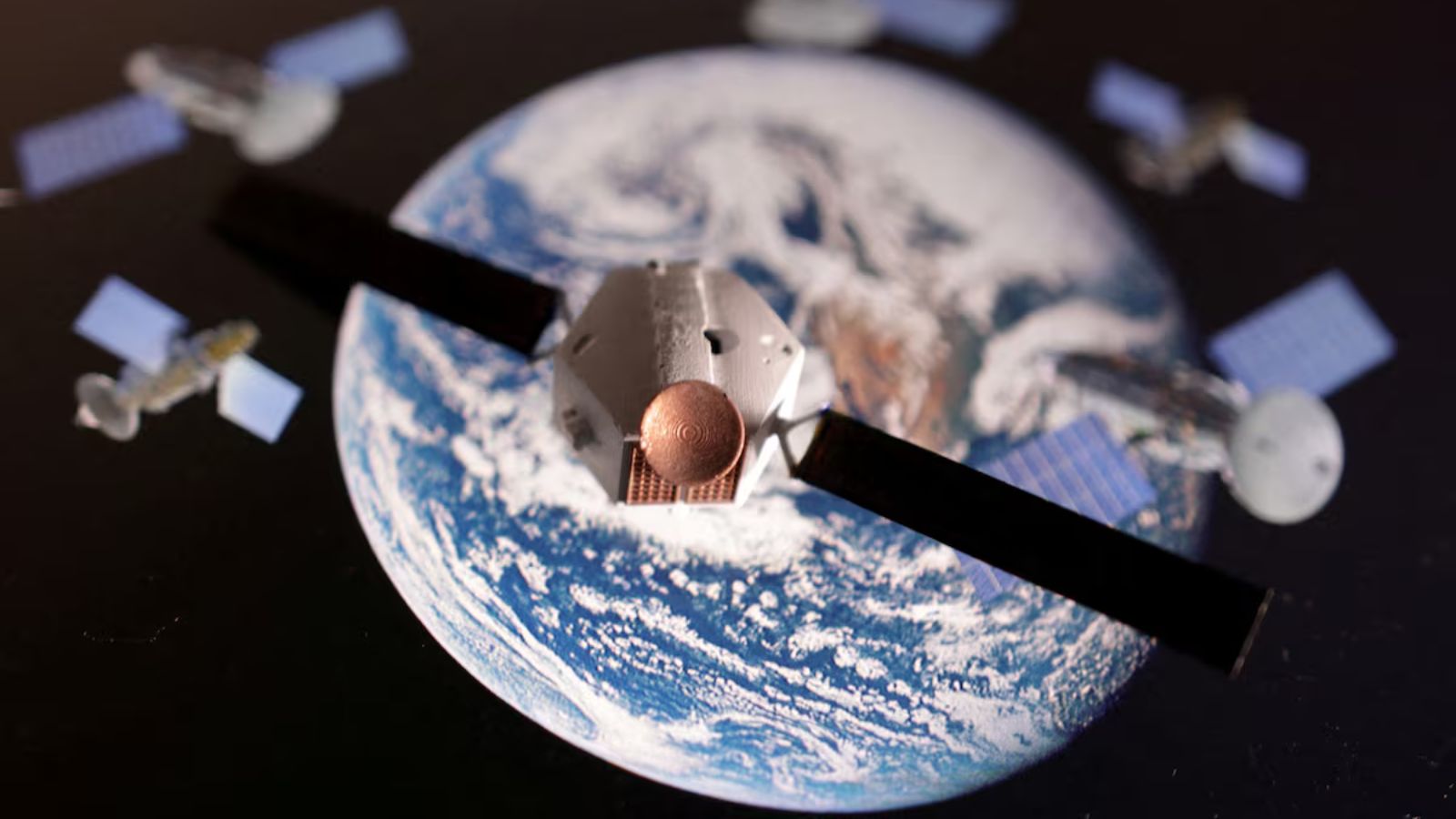
 Photo via The Indian Express
US regulator approves SpaceX plan for up to 1 million satellites in orbit
In brief
The US regulator has approved SpaceX's plan to deploy 1 million satellites, called Starmind, to support AI data centres in space. Scientists warn of pollution, space debris and effects on astronomy, but the regulator says many of these concerns fall outside its remit.
The approval came from the US Federal Communications Commission, which has rejected calls for further conditions on the project.
What we know 7
The US Federal Communications Commission has authorised SpaceX to deploy 1 million satellites in its Starmind constellation, intended to support data centres in space for AI computing.
The FCC's authorisation requires SpaceX to place its first Starmind satellite in orbit by November 2033, have half in orbit by 2038 and complete deployment by 2040.
University College London researchers estimate that 1 million satellites could raise emissions from launches and re-entries roughly 70 to 150 times above current levels, affecting ozone, climate and air quality.
The European Space Agency counts more than 231 million debris objects between 1 millimetre and 10 centimetres in orbit as of 1 February.
SpaceX says it will test satellites at lower altitudes first, use onboard propulsion for collision avoidance and deorbiting, and design satellites to burn up fully on re-entry.
The American Astronomical Society says the constellation would impair astronomical research, but the FCC rejected requests for additional conditions to protect optical astronomy.
The Starlink network currently has just over 11,000 satellites in space.
Outlets disagree 3
Scientists and regulators disagree on how much environmental damage Starmind could cause and how much can be known before launches begin.
The FCC says emission and re-entry concerns are outside its remit or speculative, while UCL researchers say SpaceX's filing lacks the information needed to assess those risks.
SpaceX says its satellites will burn up completely on re-entry, while University of Birmingham professor Hugh Lewis says even a 1% failure rate could leave thousands of derelict satellites in orbit each year.
How each outlet told it 1
How we got here
SpaceX launches the first batch of Starlink satellites, starting the era of large satellite networks known as megaconstellations.
The European Space Agency reports more than 231 million debris objects of 1 millimetre to 10 centimetres in orbit.
The US Federal Communications Commission authorises SpaceX's Starmind constellation of 1 million satellites.
What to watch
Whether SpaceX meets the FCC's deadlines of 2033 for the first satellite and 2040 for full deployment.
How SpaceX coordinates with the US National Science Foundation on astronomy concerns.
Further studies on emissions from launches and re-entries, and on the risks of debris in orbit.