
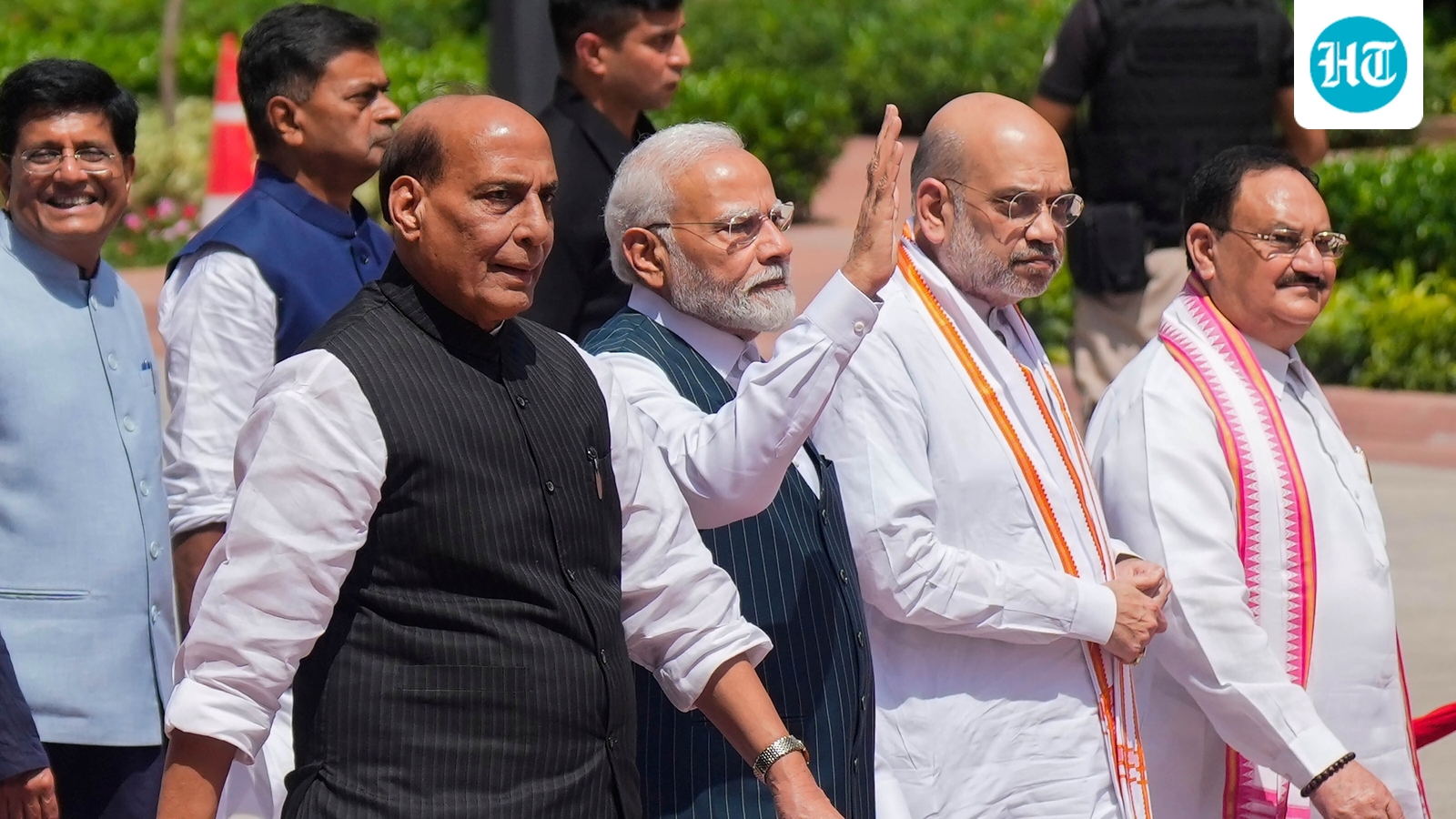
 Photo via Hindustan Times
Ruling coalition seeks two-thirds majority for delimitation and women's reservation bills
In brief
India's ruling coalition says it is confident of the two-thirds majority in Parliament needed to pass bills on delimitation and women's reservation. The plan would raise Lok Sabha seats by 50 percent across states, and the Cabinet has reportedly approved the amendments. Parliament is due to take up the bills in a special sitting.
The bills would reshape India's parliament, a development of general interest to UK readers with ties to India, though it has no direct effect in Britain.
What we know 8
The ruling coalition says it is confident of securing the two-thirds majority needed in Parliament for the delimitation and women's reservation bills.
The plan would increase Lok Sabha seats by 50 percent across states.
The Union Cabinet has approved the amendments, reported as a decision on Friday.
Parliament is set to hold a four-day special sitting from Monday, when the government will try again to pass the bills.
Under the proposal, Lok Sabha seats would rise from 39 to 59 in Tamil Nadu and from 25 to 38 in Andhra Pradesh; the five southern states would together hold 195 seats.
In April the government won 298 votes for the bills against the 361 it needed, while the opposition had 230 votes.
Andhra Pradesh Chief Minister N. Chandrababu Naidu has urged opposition parties to state their position clearly and support the bills, calling the measure a historic opportunity for women.
Constituency boundaries would be drawn on the basis of 2011 census data.
Where they differ 4
Length of the Lok Sabha debate: India Today describes two days of discussion followed by clause-by-clause voting, while Hindustan Times describes a four-day special sitting.
The Hindu gives state-by-state seat figures, which the other outlets do not report.
India Today reports that the DMK plans to back the Delimitation Bill after its conditions were accepted; Hindustan Times says the DMK's concerns have been addressed but does not report a stated DMK position.
Hindustan Times reports that some MPs could abstain, which would lower the two-thirds threshold; the other outlets do not mention this.
How each outlet told it 3
Coalition confidence and state backing
Frames the story around the ruling coalition's confidence in the numbers and endorsements from southern leaders, and reports DMK and NCP positions alongside a Congress criticism of the DMK.
Naidu appeals to opposition
Presents the story through Naidu's press conference, focusing on his call for consensus, his warning to opposition parties and the seat figures he gave for southern states.
How we got here
Parliament passed a law reserving one-third of seats for women in legislatures, to be implemented after delimitation.
The government introduced the delimitation and women's reservation bills but won 298 votes against the 361 it needed.
20 of the 28 Lok Sabha MPs from the Trinamool Congress left the party and announced support for the NDA, according to Hindustan Times.
The ruling coalition said it was confident of a two-thirds majority, and Andhra Pradesh and Karnataka leaders publicly backed the bills.
What to watch
Whether the special sitting goes ahead as planned and how long the Lok Sabha debate lasts.
Whether the DMK, the Samajwadi Party, the NCP (SP) and other regional parties publicly back the bills.
Whether the clause-by-clause votes reach the two-thirds threshold, and how any abstentions affect it.